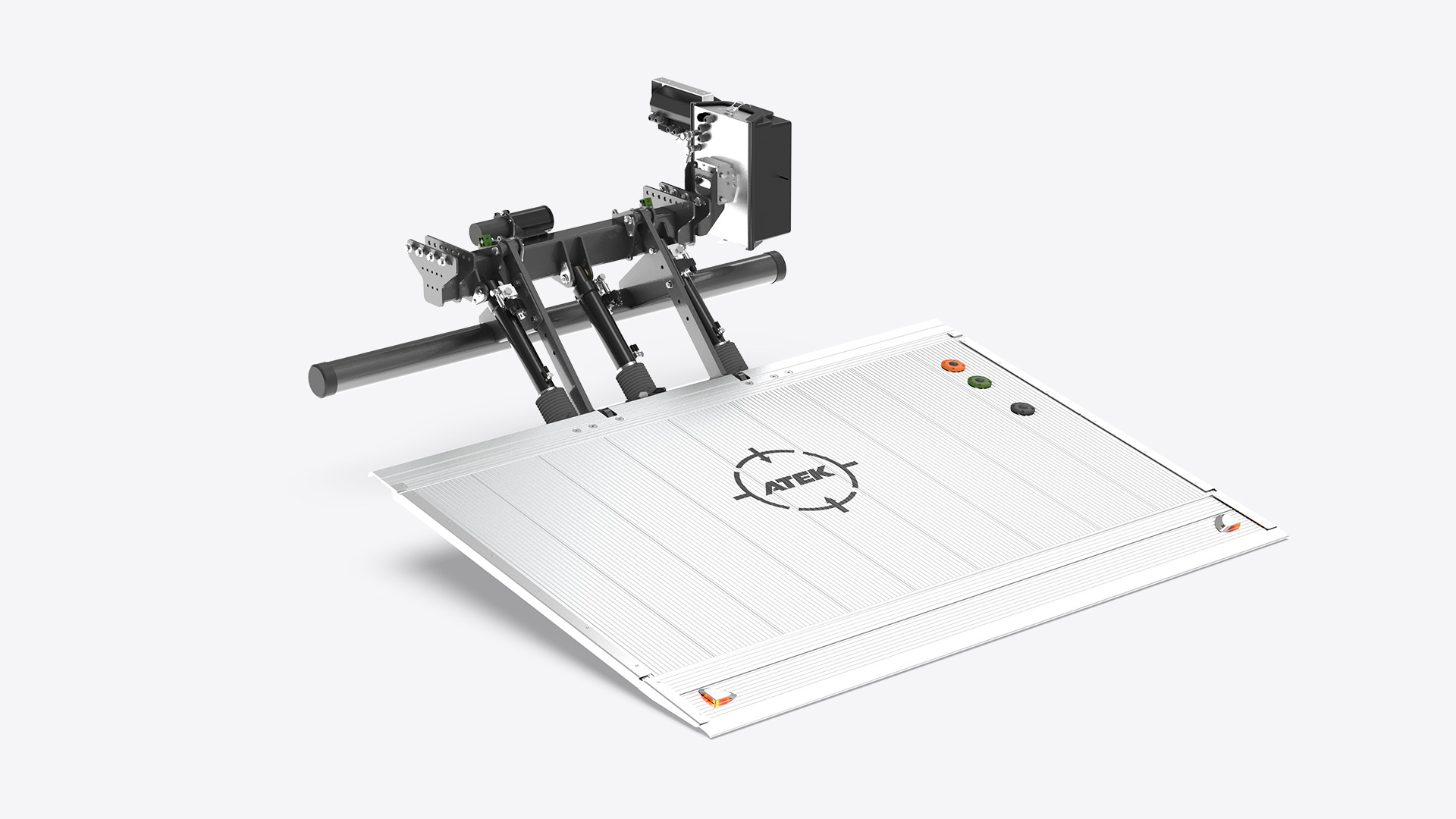
In hydraulic lift systems, oil escaping the system is not just a small maintenance issue. Leaks that often go unnoticed can turn into serious performance losses and safety risks over time. Moreover, an oil leak is not just a few drops on the floor. When the pressure balance inside the system is disrupted, the pump is overworked, lifting performance drops, and mechanical parts wear out faster than they should.
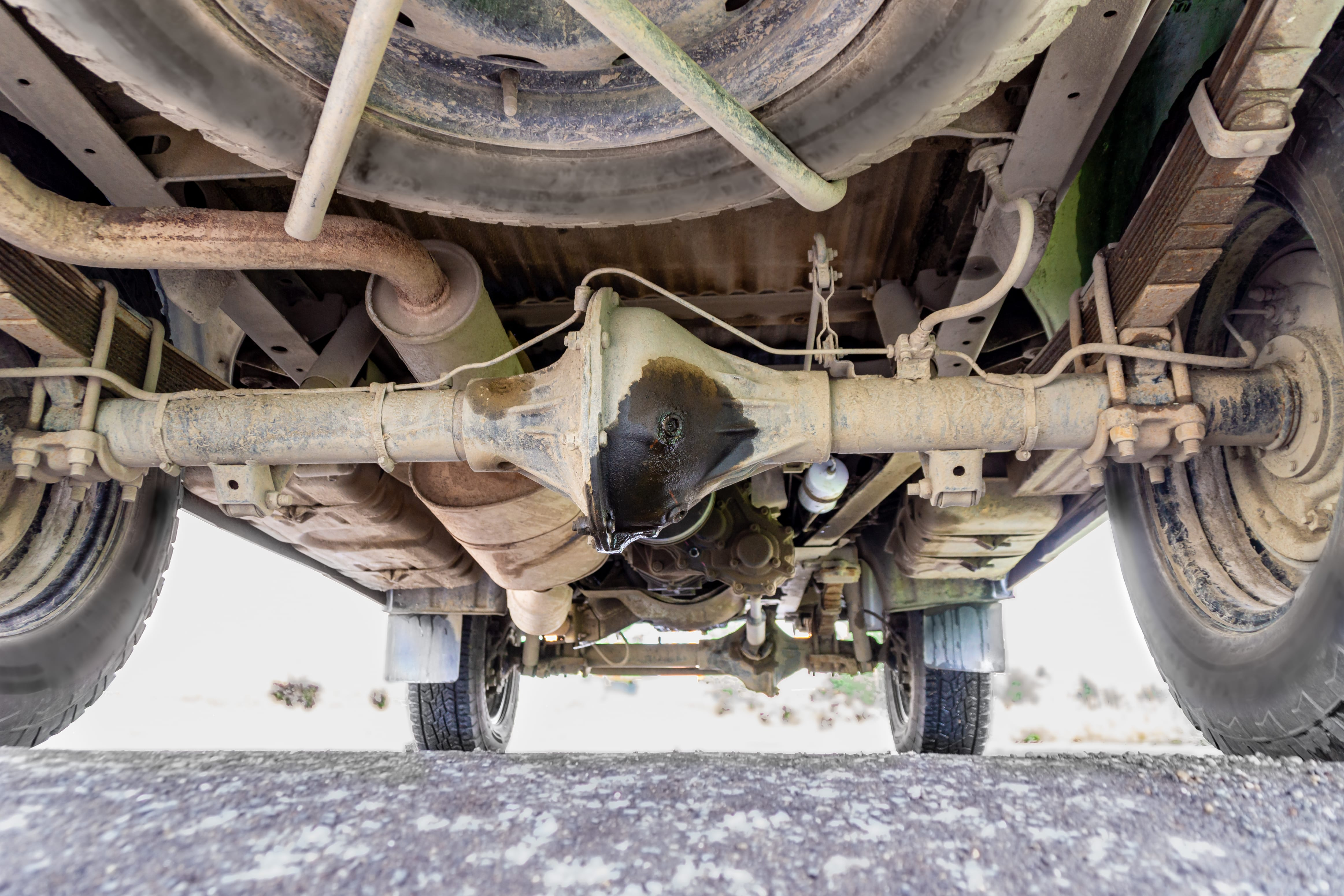
Many businesses only notice an oil leak when it becomes visible. However, leak problems usually start much earlier. Hardened seals, loosened connections, or microscopic scratches on piston rods can over time cause the system to lose its sealing. For this reason, instead of treating an oil leak only as a cleaning problem, it should be evaluated as a technical fault affecting the overall health of the system. In particular, regular lift oil leak prevention is one of the most important maintenance processes that prevent major failures from occurring.
Leaks in hydraulic systems often do not come from a single cause. Wear in different parts over time or loosening of connection points can cause the system to leak oil under pressure. Interventions made without correctly analyzing the source of the problem produce only temporary solutions.
One of the most common causes is seal deformation. Seals operating under continuous pressure can harden over time and lose their elasticity. This occurs more quickly especially in systems exposed to high temperature changes. Due to the hardening, the seal surface cannot fit fully on the piston rod, and oil starts to leak through small gaps. Such problems typically progress into serious lift seal failures over time.
Micron-level scratches on piston rods are also among the important causes of leaks. The rod surface, which looks smooth from the outside, may actually carry very fine deformations. These scratches wear out the seal surface during movement and cause oil to escape. This risk is even higher in lifts operating under heavy loads.
Hose connections and fitting points should also be checked carefully. Connections that loosen over time can cause oil to escape under system pressure. What initially appears as slight dampening can over time turn into a serious hydraulic oil leak problem.
In some cases, dirty operating conditions directly affect system elements. Dust and metal particles can cause wear on connection surfaces. Gaskets and connection surfaces can be damaged due to irregular hydraulic system cleaning.
The most effective way to prevent leaks in hydraulic systems is to perform regular maintenance without waiting for a failure to occur. Because oil leaks usually do not appear suddenly. The system starts giving small signs before the problem grows.
During periodic inspections, the surface condition of the piston rods should be examined carefully. When scratches that form on the rod are noticed early, larger failures can be prevented. Similarly, hardening in the seal structure can also be detected early thanks to regular checks. In particular, inspections carried out within the scope of hydraulic sealing maintenance are of great importance for system safety.
The tightness of connection points should also be checked regularly. Loosening at hose fittings causes not only oil loss but also sudden pressure releases. This poses a serious risk both for equipment and user safety.
Keeping the oil circulating inside the system clean is also important for sealing. Metal particles and dirt buildup can damage gasket surfaces. For this reason, hydraulic oil filter checks must be performed during maintenance processes.
Additionally, thanks to regularly performed lift hydraulic oil inspections, small leaks at connection points can be detected early. This approach helps prevent costly major failures.
Unconscious intervention in leaks in hydraulic systems can make the problem worse instead of solving it. Methods such as only cleaning the outer surface or overtightening the connection produce temporary solutions.
First, the source of the leak should be correctly identified. Because in some cases, the point where the oil is visible may not be the actual leak area. Oil moving under pressure can travel from different surfaces. For this reason, the oil leak detection methods applied by professional teams are extremely important.
If there are problems originating from the seal, only changing the outer gasket may not be sufficient. If there is a scratch on the piston rod, the new seal may also be damaged in a short time. For this reason, the rod surface must be examined in detail.
Incorrect tightening operations on hoses and fitting connections can increase the risk of cracking. Especially in high-pressure systems, uncontrolled interventions can create serious safety problems. For this reason, every lift hydraulic leak fault that occurs should be evaluated by expert teams.
Oil leaks that seem small can turn into major problems affecting the entire system over time. Situations that initially appear only as performance loss can later cause mechanical failures.
In systems experiencing pressure loss, the lifting balance can be disrupted. The lift starts to work harder than normal, and extra load is placed on the pump. This directly affects the lifespan of mechanical parts.
Leaks are also a workplace safety risk. Oil spread on the floor can create slippery surfaces. Especially in heavily used work areas, this can cause serious accidents.
Long-lasting leaks can also lead to air formation inside the system. The disruption of pressure balance creates irregularity in lift movements. This also negatively affects user safety.
At Atek Lift, we apply regular inspection and maintenance processes against possible leak problems that may occur in hydraulic lift systems. We examine in detail not only visible leaks but also wear that may cause problems in the future.
Seal structures, piston rods, hose connections, and pressure points are checked by our expert teams, so potential risks are detected early. Especially for sealing problems, we carry out permanent technical interventions instead of temporary solutions.
In our maintenance processes, we focus on protecting the overall operating safety of the system. Thanks to regular inspections, we help prevent both performance losses and unexpected failures.