In winter, falling ambient temperatures cause performance drops in lifts that operate using hydraulic systems. Particularly in intense logistics operations, light truck, panel van, truck, and trailer truck lifts begin to move more slowly at low temperatures, struggle to operate, and respond with delay. This not only reduces operational efficiency but also increases the risk of premature wear in system components.
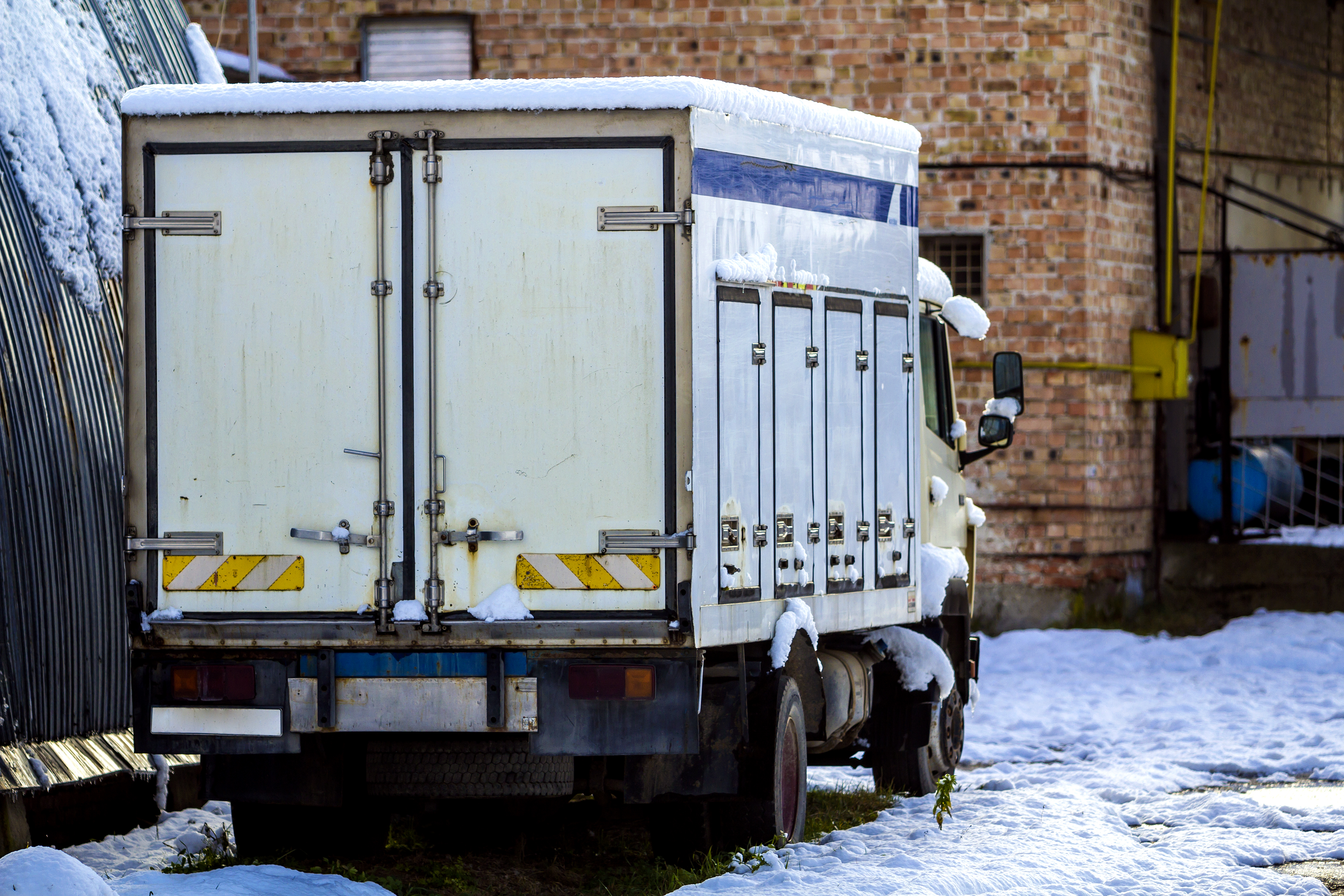
The main cause of the performance losses experienced in winter conditions is often improper maintenance practices. Systems that are checked regularly and prepared correctly continue to work with high efficiency even in the harshest winter conditions.
The reasons lifts slow down during the winter months are as follows:
Hydraulic Oil Viscosity and Cold-Weather Impact
One of the most important reasons lifts run slowly in winter is the change in the viscosity of the hydraulic oil. At low temperatures, standard hydraulic oil thickens and loses its fluidity. As a result, the pump cannot circulate the oil quickly enough through the system. Especially in systems that do not use winter-grade lift hydraulic oil:
If the lift viscosity issue continues for a long time, serious performance loss can occur in the valves, pump, and hose systems. For this reason, the oil used must have technical specifications suitable for low-temperature operation.
Frozen Components and Increased Mechanical Resistance
Cold weather conditions affect not only the hydraulic system but also the mechanical parts directly. Hardening and freezing at moving connection points cause the lift mechanism to operate with much more resistance. Especially:
In systems where adequate lubrication is not performed, this increase in resistance causes motor strain and consequently a drop in operating speed. For lift performance in winter, regular cleaning and protection of mechanical parts with ideal lubricants is critically important.
Cold-related lift seal hardening is one of the most common technical problems in winter. Seals and gaskets that lose their elasticity due to low temperatures create sealing problems within the hydraulic system. This leads to:
This problem is especially common in older lifts or lifts whose maintenance period has been missed. When hardened sealing elements are not replaced in time, the overall operating safety of the system is jeopardized.
Ways to improve lift efficiency in cold weather include:
Choosing Hydraulic Oil Suitable for Seasonal Conditions
The first thing to check during winter lift maintenance is the choice of hydraulic oil. Special oils that retain their fluidity at low temperatures should be preferred. When selecting cold-weather hydraulic oil:
Using the wrong oil does not only cause performance loss; it can also lead to long-term failures in valve and pump systems.
Maintaining Ideal Operating Temperature with Heating Systems
For vehicles operating actively in harsh winter conditions, lift heating systems provide a major advantage. Keeping the hydraulic oil at its ideal operating temperature allows these systems to respond more quickly. Professional lift heater solutions:
Especially for various vehicles operating outdoors for long hours, these systems are extremely important for operational continuity.
Winter Lubrication and Cleaning of Moving Parts
Winter lift maintenance is not limited to hydraulic systems. Moving mechanical parts must be protected with oils suitable for winter conditions and cleaned regularly. Accordingly, during the winter period:
In lifts that are not cleaned regularly, friction increases and naturally operating performance drops. In particular, moving connections and joint points must be checked periodically and protected with appropriate lubrication products.
Maintenance procedures postponed during winter can quickly turn into very serious faults. A slow-running lift not only causes operational losses. At the same time, this problem also poses a workplace safety risk.
As a result of skipped routine maintenance:
Particularly in logistics operations and intense distribution work, the unplanned downtime of a lift system causes losses in time and cost. For this reason, technical checks should not be neglected before the winter months.
For safe and high-performance lift use in winter, the system must be prepared appropriately for the season. Thanks to the right hydraulic oil choice, professional technical checks, and regular maintenance, lift systems continue to operate efficiently even at the lowest temperatures.
Atek Lift Technical Service supports the operational continuity of businesses with sealing equipment, hydraulic system inspections, winter maintenance applications, and spare parts solutions. Especially for lift systems experiencing performance loss in cold weather, getting professional support enables intervention before potential failures grow. Atek Lift ensures lift systems run efficiently and safely in winter with professional technical maintenance and the right equipment.