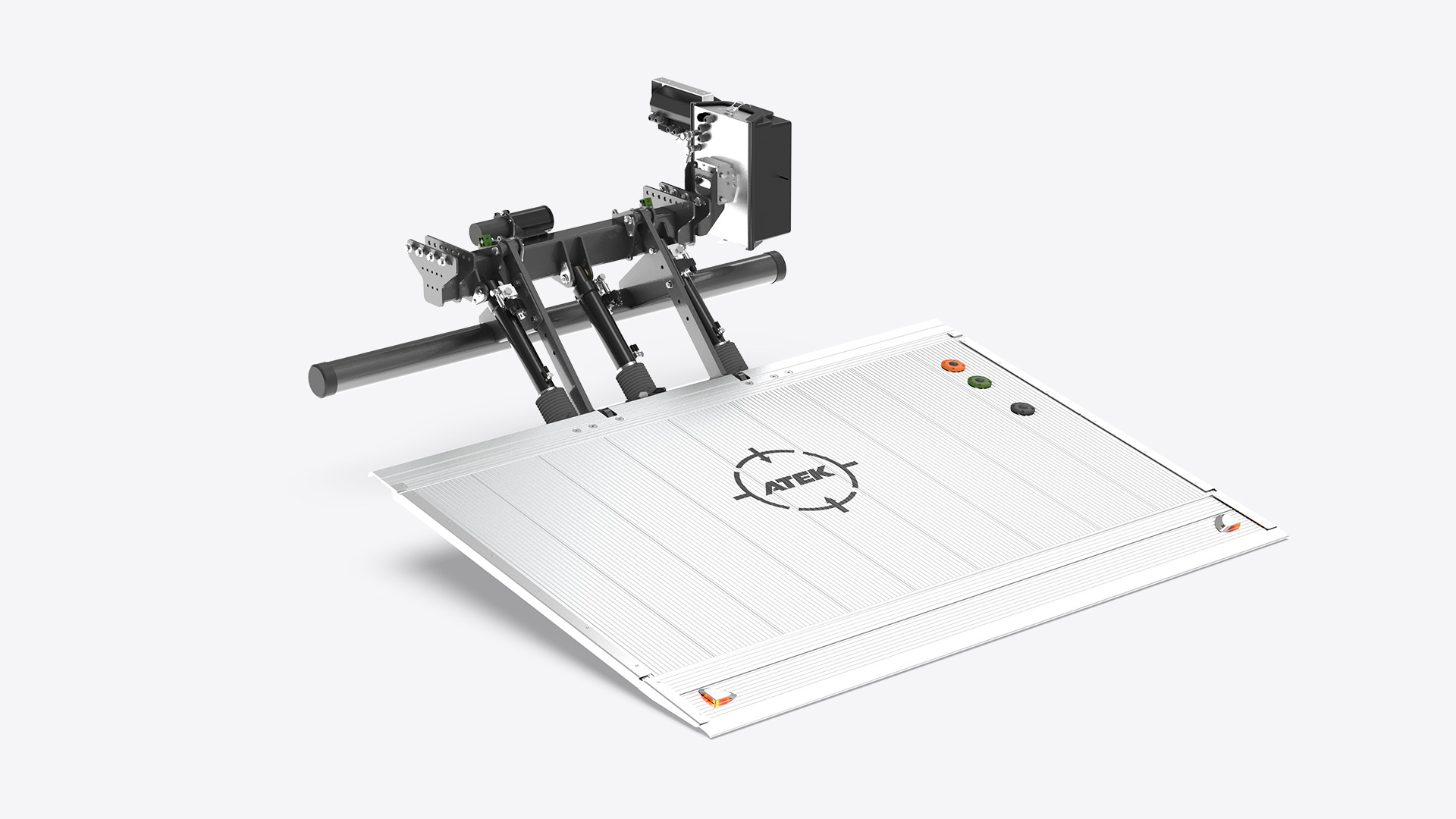
In lift systems, corrosion and rust are not only an aesthetic problem on the surface. They are critical deterioration processes that directly affect mobility, structural strength, and system safety. Especially light truck, panel van, trailer truck, and truck lifts operating outdoors are systems with high corrosion risk, as they are exposed to temperature changes, humidity, and chemical agents for extended periods.
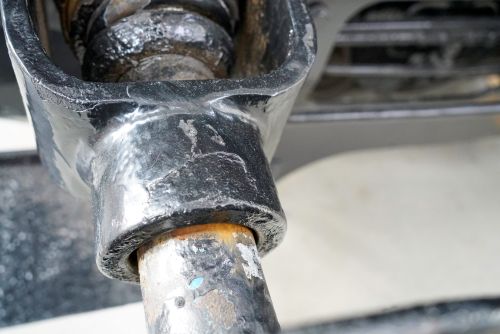
When the rust-prevention process in lifts is not applied correctly, over time, problems such as increased friction in moving parts and performance loss in hydraulic system components occur. For this reason, the formation of corrosion should be taken into account as a very important technical process that must be brought under control beforehand.
The factors that cause corrosion in lift systems are generally inadequate maintenance practices and environmental conditions. This risk is especially higher in lifts that operate actively in outdoor field operations. The main causes are:
These factors accelerate the oxidation process on metal surfaces, causing permanent deformation in lift components over time.
The lift rust prevention process is directly related to the use of the right equipment and regular maintenance. In this process, the goal is to create a protective barrier between the metal surface and the outside environment.
Regular Lubrication and Protective Film Layer
Regular lubrication in lift systems does not only increase mobility. It also creates a protective film layer on the surface, limiting contact with moisture and oxygen. This layer prevents the metal surface from coming into direct contact with environmental factors.
When lubrication is neglected, metal surfaces come into direct contact with oxygen. Consequently, the corrosion process accelerates. For this reason, lubrication must be applied periodically as part of lift maintenance.
Use of Stainless Materials and Galvanized Parts
The quality of materials used in lift systems directly determines corrosion resistance. Galvanized-coated and stainless steel parts show high resistance to moisture and chemical effects. Especially in lifts operating actively in outdoor environments, using galvanized surfaces significantly reduces long-term corrosion risk. For this reason, material structure should be evaluated as a critical parameter when choosing equipment.
Dehumidifiers and Ventilation
For lift systems operating in enclosed areas, corrosion formation and moisture accumulation are among the important factors that accelerate. For this reason, it is essential to ventilate the area regularly and ensure moisture control. Dehumidifier systems balance the humidity rate of the environment, preventing condensation on metal surfaces. This makes including lift ventilation in the maintenance plan mandatory.
Anti-corrosion maintenance must be applied in a planned and regular manner. When maintenance is delayed, what starts as surface rust quickly worsens and turns into structural damage. During this process:
Irregular maintenance means inadequate protection in terms of lift corrosion solutions. As a result, it sets the stage for long-term failures.
Rust problems in lifts generally arise from maintenance mistakes and improper use. Accordingly:
Keeping in a Humid Environment for Long Periods
Keeping lift systems in a humid environment and outdoors for long periods accelerates corrosion formation. Especially the lack of drying after snow and rain increases this risk.
Not Drying After Cleaning
Moisture and water remaining on the surface after cleaning trigger the oxidation process. For this reason, surfaces must be made completely dry.
Using Low-Quality Lubrication Products
The use of substandard lubrication products cannot form a sufficient protective film layer on the surface. This directly weakens the lift rust prevention process.
In lift systems, corrosion is not just a surface problem. It is a technical risk that affects long-term operation and safety. For this reason, regular maintenance and professional inspection processes are important. The corrosion process does not start as a color change on the surface. It is a progressive deterioration mechanism that weakens the structural integrity of metal materials over time. In lift systems, this situation poses a critical risk especially around connection points, the load-bearing main body, and the hydraulic cylinder.
As rust progresses, micro-cracks form on the surface of the metal. These cracks widen over time, reducing the strength of the material. Especially in lifts operating under heavy loads, the risk of deformation increases. The friction coefficient between moving parts increases, and consequently the operating efficiency of the system decreases.
The progression of corrosion indirectly affects not only mechanical parts but also hydraulic system performance. Various particles caused by surface deterioration mix into the hydraulic circuit, causing wear in the pump and valve systems. In the long term, this means high maintenance costs and unplanned downtime. The lift corrosion prevention process should not be evaluated as limited only to surface cleaning. A holistic maintenance strategy covering the entire system must be applied. The right lubrication products, periodic inspections, and protection methods suitable for environmental conditions should be considered together.
Atek Lift, within the scope of lift corrosion solutions, ensures the safe and long-lasting operation of systems through periodic maintenance services, technical inspection processes, and protective equipment applications. Especially in lift systems widely used outdoors, controlling rust risk requires using the right maintenance strategies.
Atek Lift aims for safe and long-lasting operation of lift systems thanks to the technical maintenance approach it has developed against rust and corrosion risk. With the right equipment, regular inspection, and professional service support, it continuously protects the operational continuity of businesses. In this way, system performance is kept at maximum level with Atek Lift.